Static Electricity Experiments at Home: 10 That Always Work
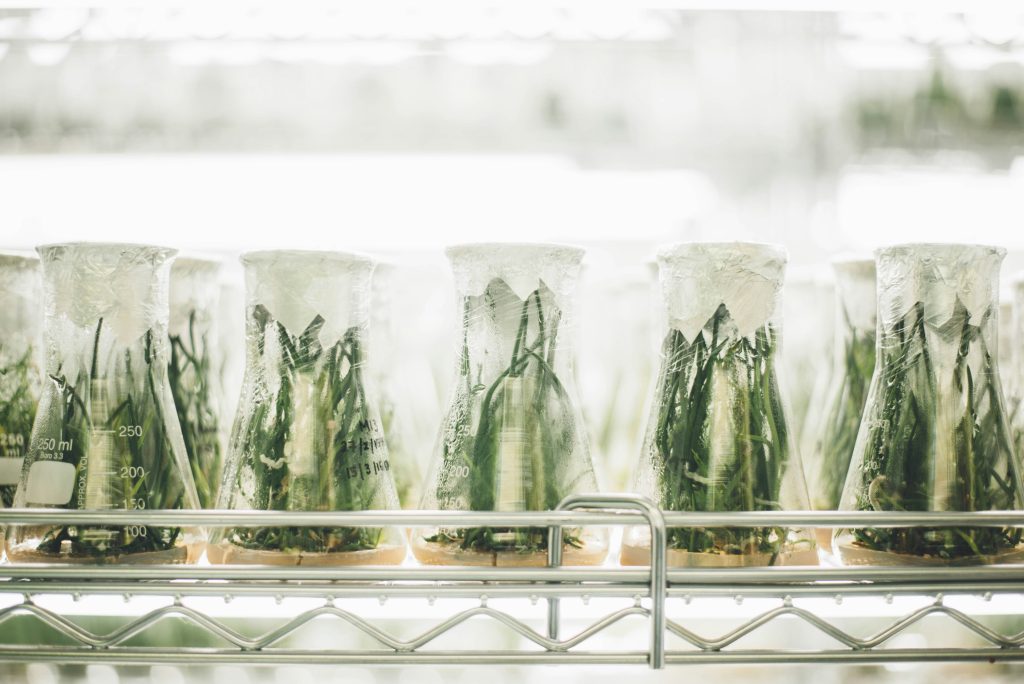
Seedlings growing in test tubes

Static works best on a dry winter day and badly on a humid summer one, which is the first thing worth testing. These static electricity experiments use balloons, combs, and pantry items, and every one of them shows the same underlying idea: rubbing moves electrons from one surface to another. Why Humidity Ruins It Water … Read more
Science Activities for Teenagers: Projects Worth Crediting

People working on computers in an open classroom

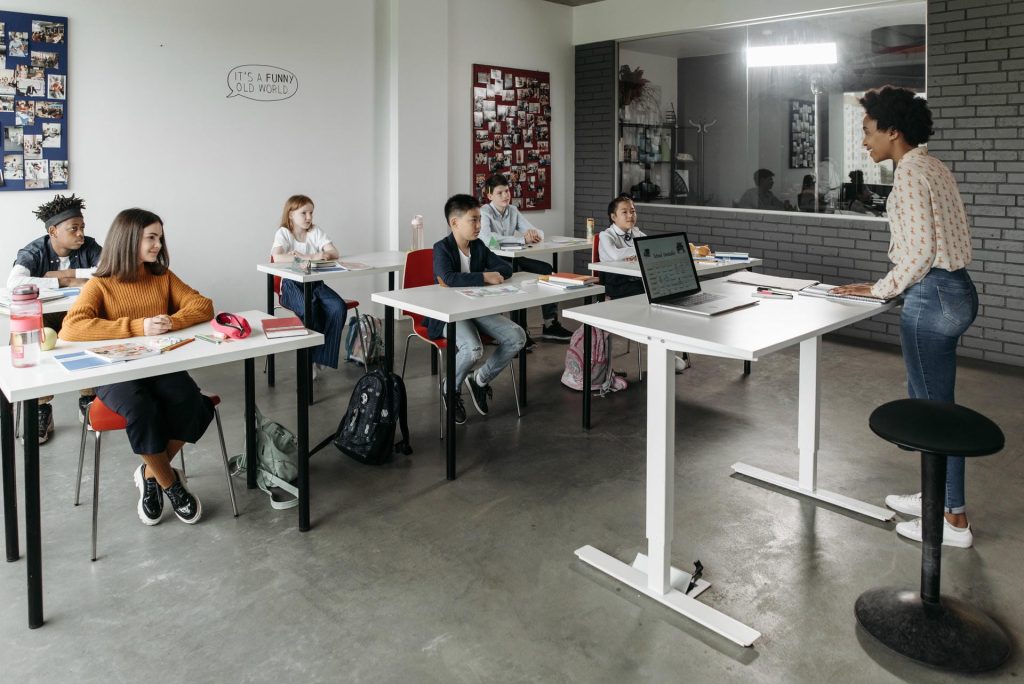
Teenagers can be insulted by anything that looks like a kids’ activity. The best science activities for teenagers produce something a stranger would take seriously: a data set, an analysis, and a written argument — and ideally one line on a transcript. What Changes in the Teen Years Three things. They can design their own … Read more

Science Activities for 10 Year Olds: Real Measurement

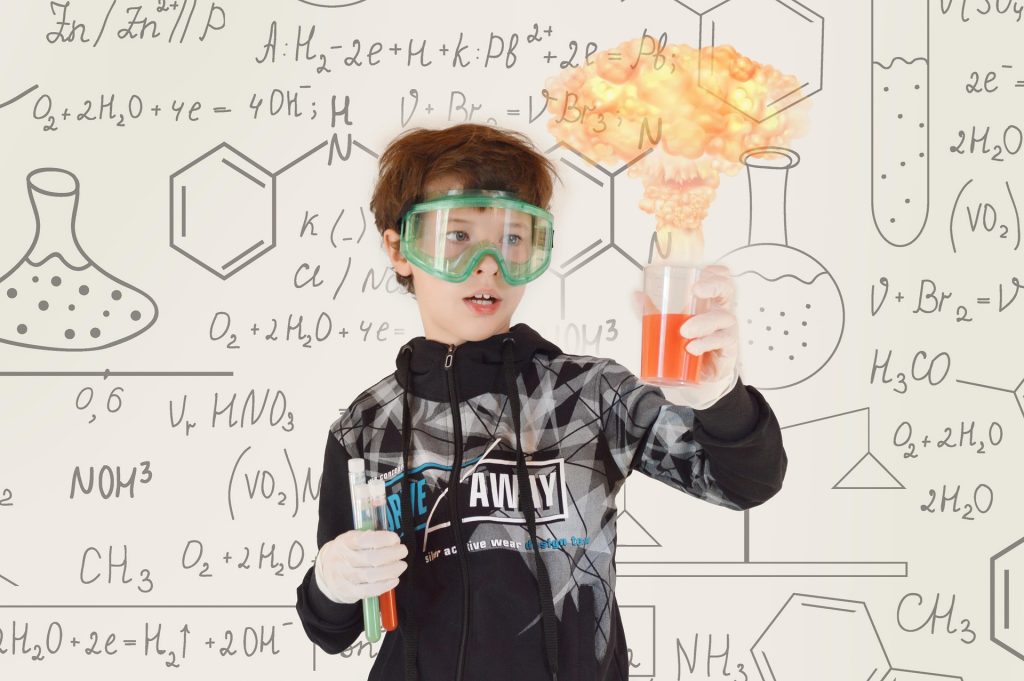
Boy doing a chemistry experiment with formulas

Ten-year-olds are ready for numbers that mean something. The best science activities for 10 year olds produce a data set worth graphing, a conclusion that refers to that graph, and at least one result that was not what they expected. What Ten-Year-Olds Can Handle At ten, most children can run a fair test unprompted, keep … Read more

Science Activities for 8 Year Olds: Adding a Variable

Math equations against a blue sky

Eight is the age when “because it is magic” stops being a satisfying answer. The best science activities for 8 year olds introduce two new habits: changing one thing on purpose, and writing the guess down before you look. What Changes at Eight An eight-year-old can follow a five-step procedure, read a simple scale, and … Read more

Science Activities for 5 Year Olds: Ten That Actually Work

Students working in a laboratory

At five, content barely matters. The best science activities for 5 year olds build three habits: looking closely, saying what you saw out loud, and guessing what will happen next. Everything below takes under fifteen minutes and uses things already in the kitchen. What Five-Year-Olds Are Ready For Five-year-olds can sort, compare, count, and spot … Read more

How to Keep a Science Journal That Actually Gets Used

Hand writing notes on paper with a pen

Most science journals fail the same way: they turn into diaries. “Today we did the vinegar thing. It was cool.” How to keep a science journal that a teacher or evaluator will take seriously comes down to one habit — every entry answers the same five questions. The Five-Part Entry Use this for every investigation … Read more

Homeschool Science for Multiple Ages: One Lesson, Three Depths

Family learning together by the window

Trying to teach a seven-year-old and a thirteen-year-old the same lesson usually produces one bored child and one lost child. Homeschool science multiple ages works on a different principle: the demonstration is shared, the output is differentiated. One Phenomenon, Three Depths Everyone watches the same thing happen. Then each child answers a question at their … Read more

Free Homeschool Science Resources Worth Your Time

Teacher and students in a classroom with bookshelves

The best free homeschool science resources are not printable worksheets. They are complete video courses, university-built simulations, and real research projects that put your teenager’s data next to professional scientists’. Here is what is worth a slot in your week. Full Courses and Textbooks OpenStax — peer-reviewed textbooks for biology, chemistry, and physics, free as … Read more

How to Assess Homeschool Science Learning Without Quizzes

Math equations against a blue sky

“Did you like it?” is not assessment, and a ten-question quiz mostly measures short-term recall. Assessing homeschool science gets easier the moment you score four specific behaviours instead: predicting, measuring, explaining, and applying. Why Quiz Scores Mislead A child can memorise that “plants need light” and still be unable to design a test of it. … Read more