Homeschool Science for Multiple Ages: One Lesson, Three Depths
Family learning together by the window

Trying to teach a seven-year-old and a thirteen-year-old the same lesson usually produces one bored child and one lost child. Homeschool science multiple ages works on a different principle: the demonstration is shared, the output is differentiated. One Phenomenon, Three Depths Everyone watches the same thing happen. Then each child answers a question at their … Read more
Free Homeschool Science Resources Worth Your Time

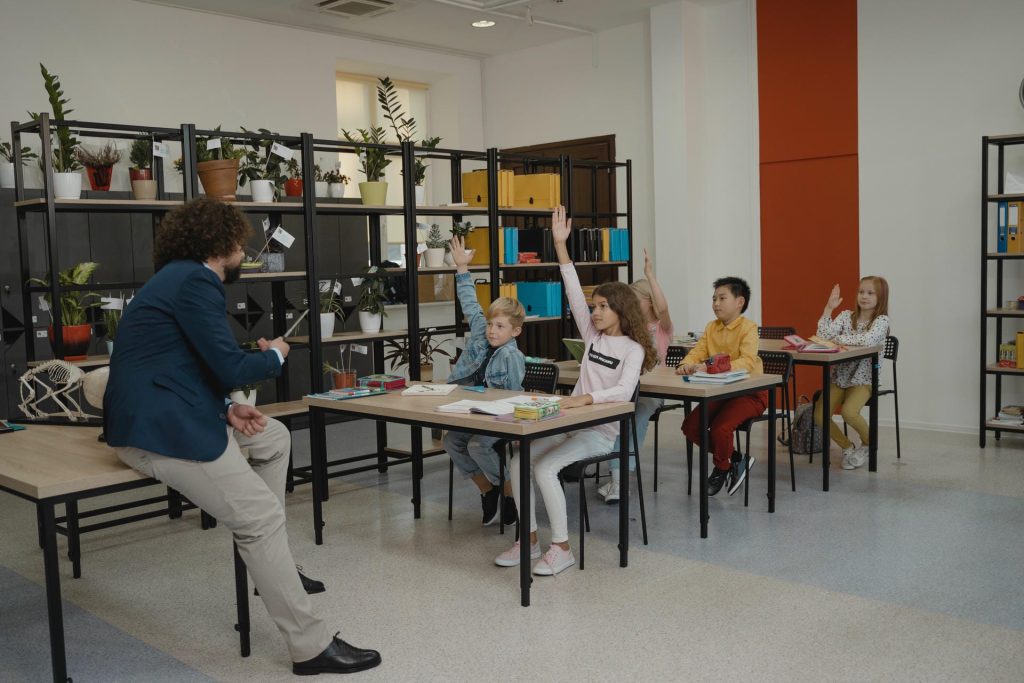
Teacher and students in a classroom with bookshelves

The best free homeschool science resources are not printable worksheets. They are complete video courses, university-built simulations, and real research projects that put your teenager’s data next to professional scientists’. Here is what is worth a slot in your week. Full Courses and Textbooks OpenStax — peer-reviewed textbooks for biology, chemistry, and physics, free as … Read more

How to Assess Homeschool Science Learning Without Quizzes

Math equations against a blue sky

“Did you like it?” is not assessment, and a ten-question quiz mostly measures short-term recall. Assessing homeschool science gets easier the moment you score four specific behaviours instead: predicting, measuring, explaining, and applying. Why Quiz Scores Mislead A child can memorise that “plants need light” and still be unable to design a test of it. … Read more

Homeschool Science Without a Lab: What Actually Works

Students working in a laboratory

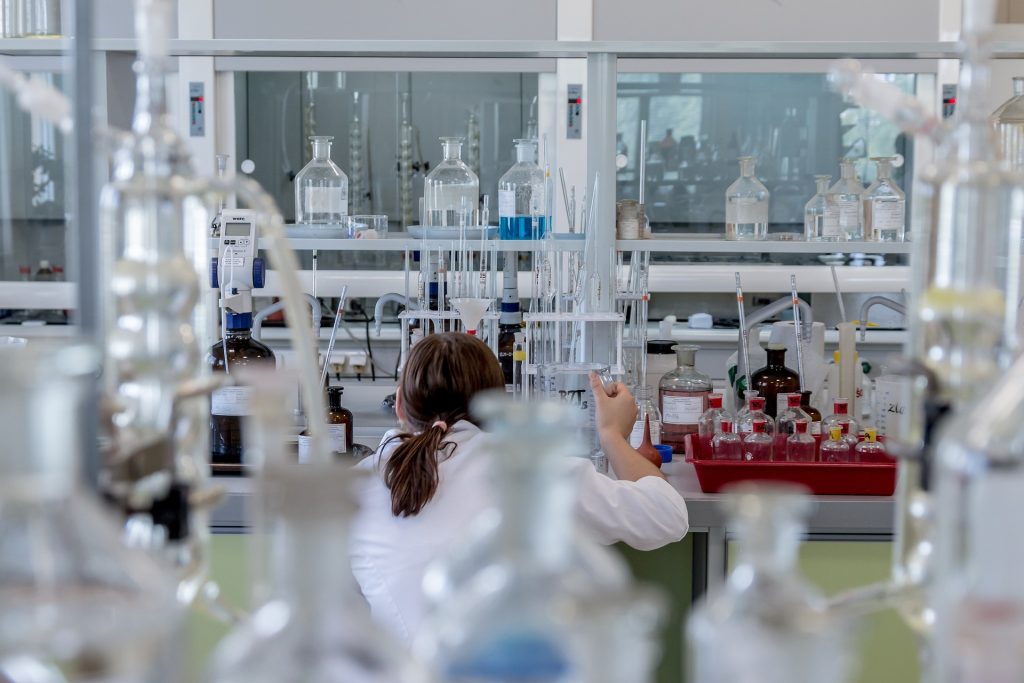
You do not need a burner, a fume hood, or a $600 kit. Homeschool science without a lab covers most of what a standard middle-school course asks for, provided you stop trying to replicate school equipment and start using what a kitchen already does well: measuring, heating, mixing, and observing over time. What a Lab … Read more

How to Choose a Homeschool Science Curriculum: A Practical Guide

The word LEARN on a wooden background

Most families buy their first homeschool science curriculum in August and quietly abandon it by October. The reason is rarely quality — it is a mismatch between the 45 minutes a day the book assumes and the 90 minutes a week the family actually has. Pick three numbers before you spend anything: weeks, minutes per … Read more

15 Science Experiments at Home You Can Do With Kitchen Stuff

Plant seedlings in test tubes

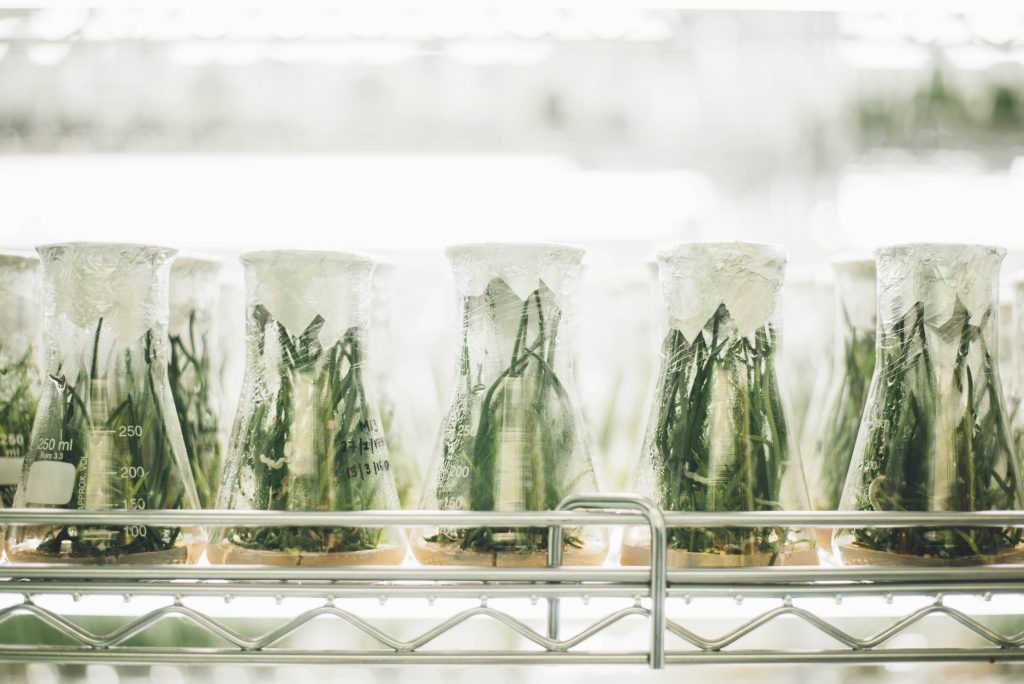
You don’t need a lab coat, a Bunsen burner, or a $200 kit to do real science. Some of the best science experiments at home use things you’re about to throw away — a plastic bottle, a box of baking soda, the last of the cooking oil. What follows is 15 experiments that actually work, … Read more