Why Is Pluto Not a Planet? The 2006 Rule That Changed the Solar System
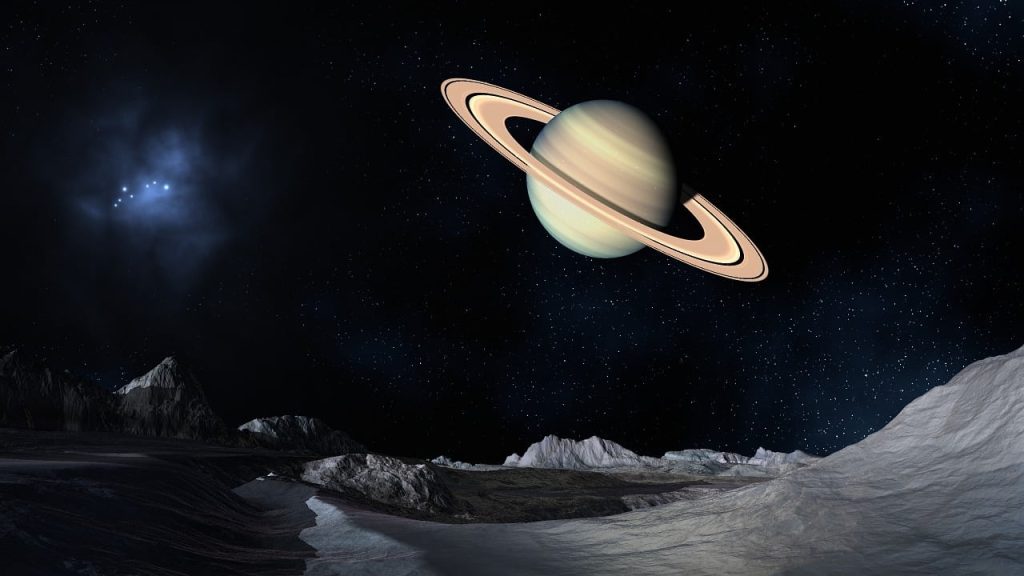
Saturn seen from space

Pluto was a planet for 76 years. Then, on August 24, 2006, a room full of astronomers in Prague voted to change the definition, and it became something else. The decision took less than a day. The argument about it has lasted two decades. The Short Answer Why is Pluto not a planet? Because it … Read more
What Is a Dwarf Planet? Round, Small, and Not Alone

Cartoon Copernicus with a telescope

In 2006, the International Astronomical Union created a new category of object and immediately put Pluto in it. Sixteen years later, the New Horizons spacecraft flew past Pluto and found mountains, glaciers, haze layers, and a nitrogen ice plain the size of Texas. If that is not a planet, a lot of people asked, what … Read more

What Is an Asteroid? Leftovers From the Birth of the Planets

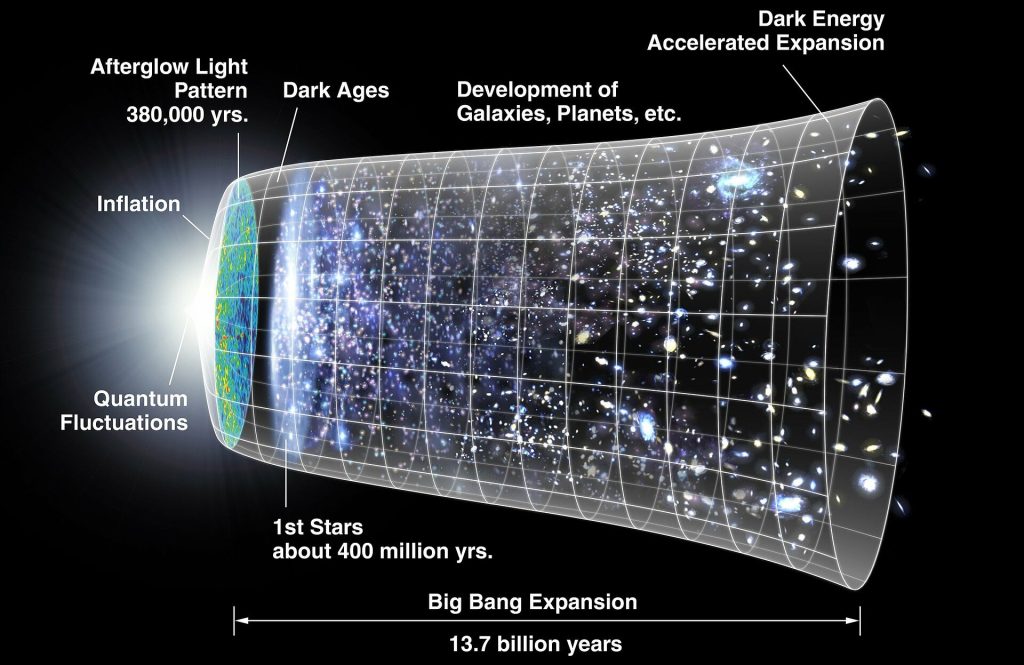
Illustration of the expanding universe and the Big Bang

There is a common picture of the asteroid belt as a crowded minefield where a spacecraft has to dodge rocks. It is wrong. The average distance between asteroids is about a million kilometers. If you stood on one, you would see nothing but black sky and maybe one faint point of light. The Short Answer … Read more

How Do Planets Form? From Dust Grains to Worlds

Black hole in purple space

Every planet you have ever seen in a photograph started as a grain of dust smaller than a smoke particle. The process that turned that grain into Jupiter took less than 10 million years, which is fast — the Sun will live for 10 billion. The One-Paragraph Version A cloud of cold gas collapses. It … Read more

What Is the Solar System? A Tour of Our Cosmic Neighborhood

Why Do Stars Twinkle? The Atmosphere's Distorting Lens

Most people can recite the eight planets in order and then run out of things to say. Ask them what is the solar system made of and the answer usually stops at “the Sun and the planets.” That answer leaves out 99.9% of the objects and almost all of the interesting physics. The Short Answer … Read more

Weather Experiments for Kids: 11 Builds and Tests

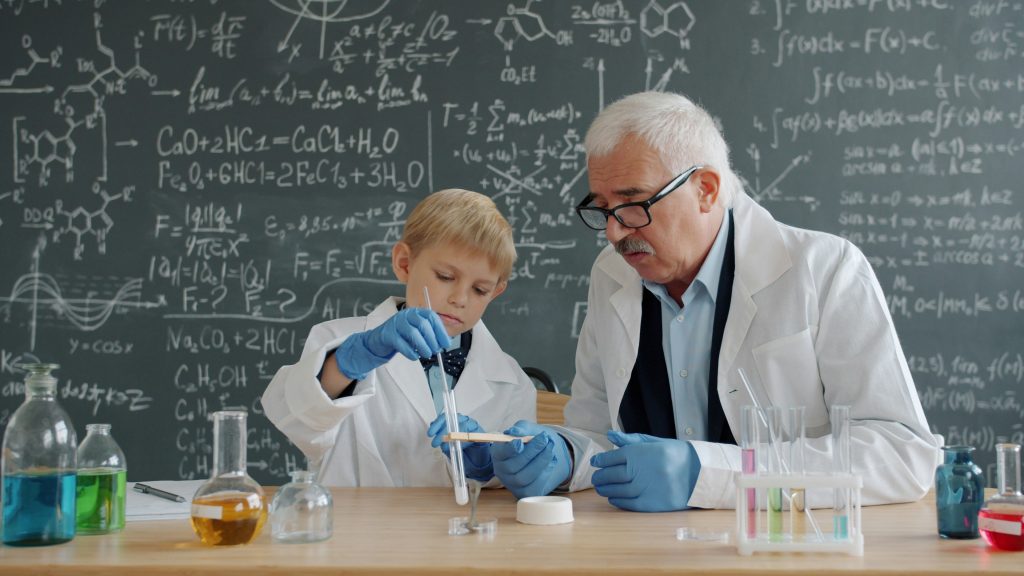
Students working in a laboratory

Weather is the one branch of science where a child can collect real data every single day without leaving the garden. These weather experiments for kids cover cloud formation, pressure, wind, and rain — and most end with an instrument they built themselves. Build Your Own Station Four instruments cover everything a home station needs. … Read more

Plant Growth Experiments for Kids: 11 With Real Data

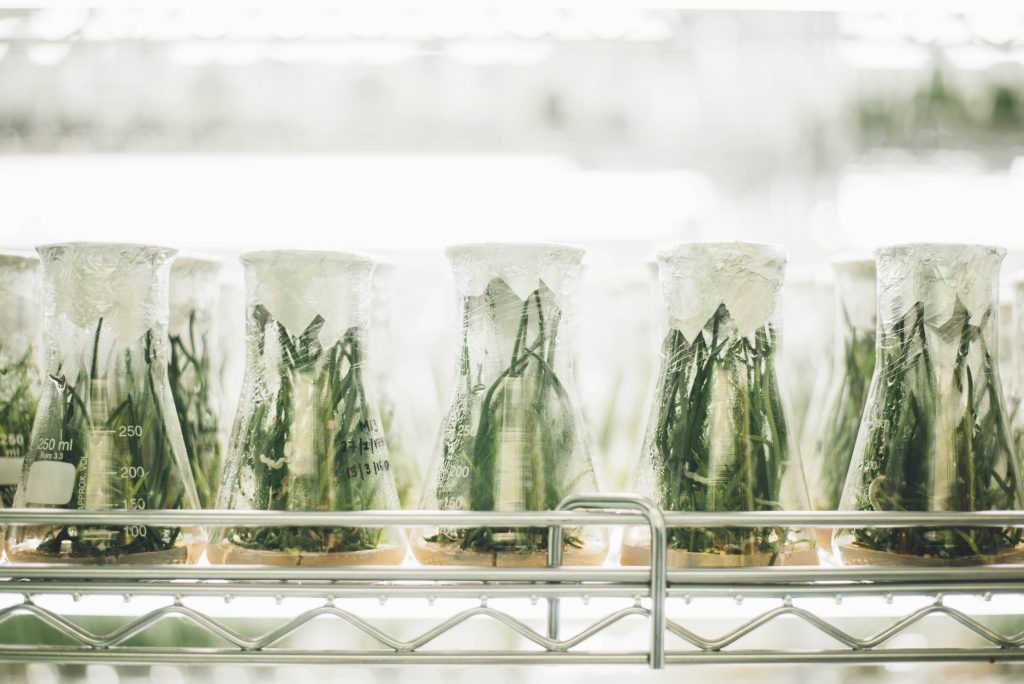
Plant seedlings in test tubes

Plants are slow, which is exactly why they make good experiments — there is time to think between measurements. These plant growth experiments all use fast-growing seeds: radish, cress, or beans, which show a measurable change within three to five days. Before You Start Two rules fix almost every failed plant experiment. Use at least … Read more

Sound Experiments for Kids: 11 You Can Hear and Measure

Two researchers doing an experiment

Sound is vibration travelling through something, and every one of these makes that visible. The best sound experiments for kids pair something you hear with something you can see moving — rice jumping on a drum, or water rippling beside a glass. Quick Reference Experiment What you change Principle Water glass xylophone Water volume Pitch … Read more