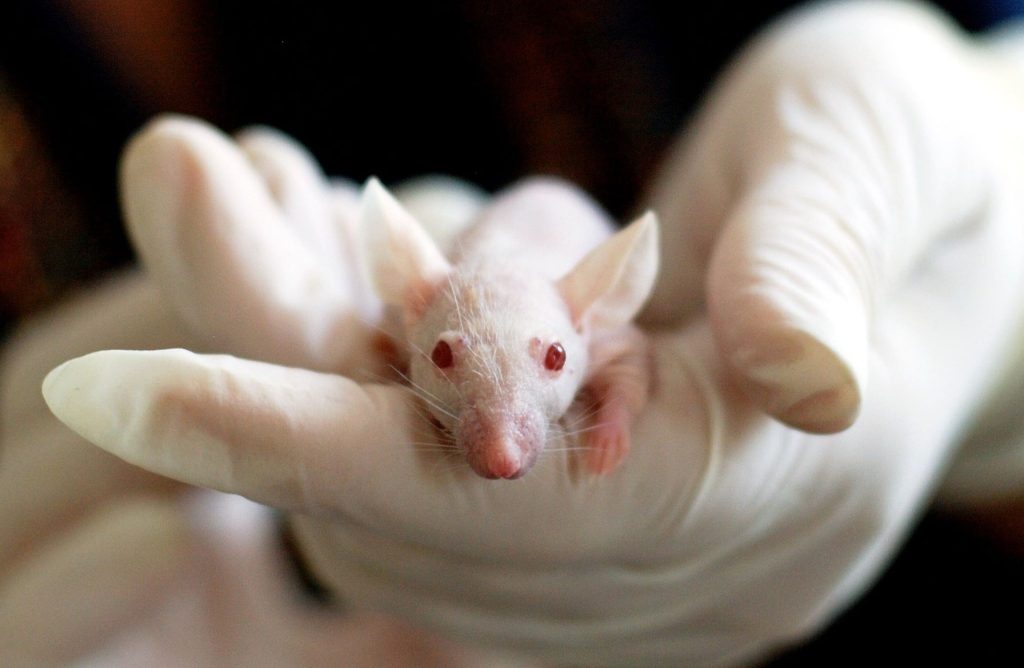
What is hibernation? Calling it “winter sleep” is the most common mistake. Sleep is a brief, easily reversible state. Hibernation is a planned, deep suppression of metabolism — body temperature crashes, heart rate collapses, and the animal cannot simply be woken up. A hibernating ground squirrel is closer to a switched-off machine than to a napper.
Just How Far Things Drop
| Measure | Active | Hibernating |
|---|---|---|
| Arctic ground squirrel body temp | 37°C (98.6°F) | Down to -2.9°C (26.8°F) |
| Heart rate | 200-300 bpm | As low as 1 bpm |
| Breathing | Normal | Once every several minutes |
| Metabolic rate | 100% | 1-5% |
That body temperature is genuinely below freezing. Arctic ground squirrels let their core temperature drop under 0°C and survive it — their tissues resist ice formation in ways we still do not fully understand. This is not a slowed-down animal; it is an animal operating on a completely different setting.
How They Survive Months Without Food
The energy budget is the whole point. Winter means no insects, no fresh plants, no foraging — and staying warm at normal body temperature would burn far more calories than could possibly be found. Hibernation cuts energy use to a small fraction of normal, letting an animal coast on fat reserves laid down during autumn.
That preparation is serious: some species nearly double their body mass before winter. A ground squirrel may spend weeks eating almost continuously, converting food into brown fat — a specialized tissue that generates heat directly, used specifically for the rewarming process.
Waste handling is the other puzzle. With no eating and no drinking, animals recycle urea rather than excreting it, and some gut bacteria help recover nitrogen. Muscle atrophy is remarkably limited despite months of immobility — a subject of active research, precisely because human bed rest causes severe muscle loss in weeks.
They Do Not Sleep Straight Through
This surprises people: hibernators wake up periodically, roughly every one to three weeks, rewarming to normal body temperature for a few hours before dropping back down.
Rewarming is expensive — it accounts for the large majority of the winter’s total energy use. So why do it? Leading explanations involve sleep debt (hibernators appear to need REM sleep, which does not happen at low body temperature), immune maintenance, and clearing cellular damage accumulated during the cold phase.
Each arousal burns a big chunk of the fat reserve. Animals that wake too often genuinely risk starving before spring.
Bears Are the Complicated Case
So what is hibernation, precisely? A controlled shutdown, not a long sleep.
Bears are often described as hibernators, but physiologists argue about it. Their body temperature only drops modestly — from about 37°C to around 31-34°C. They do not eat, drink, urinate, or defecate for months, which is extraordinary. But they remain relatively easy to rouse, and a bear disturbed in winter can be awake and dangerous quickly.
Because of that, many researchers prefer torpor or “winter dormancy” for bears and reserve true hibernation for the deep, hard-to-wake state of ground squirrels, bats, and marmots.
What bears do that is genuinely remarkable: they recycle urea into protein instead of losing it, which is how they avoid muscle wasting over months of immobility and why they emerge in spring with most of their strength intact.
Not Every Winter Strategy Is Hibernation
- Torpor — short-term version, sometimes just overnight. Hummingbirds and some bats use it daily to survive cold nights.
- Brumation — the reptile equivalent. Ectotherms slow down in cold, but the mechanism is different because they were never generating their own heat to begin with.
- Migration — leave instead of endure.
- Just staying active — deer, wolves, and many birds grow thicker coats and shift diet. Metabolically expensive, but it works if food is findable.
Keep Exploring
- How do birds migrate? — the other answer to winter
- How does memory work? — what sleep does that hibernation pauses
- What is pollination? — what the survivors wake up to

1 thought on “What Is Hibernation? How Animals Shut Down for Winter”