What Are Constellations? Star Patterns, History, and Why They Shift
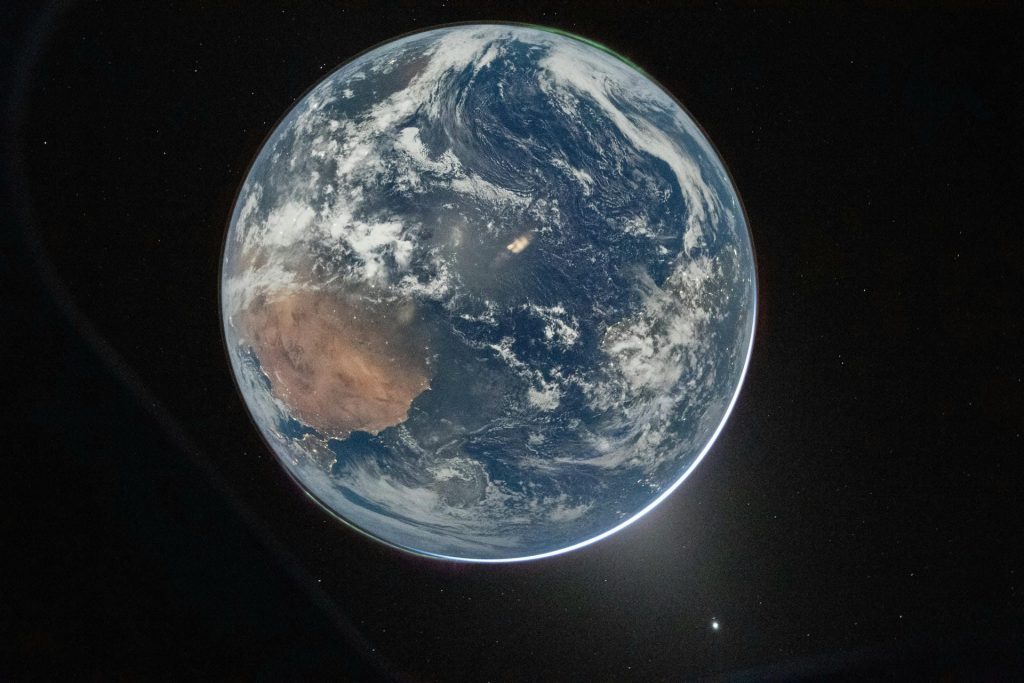
Earth seen from space

What are constellations, really? Here is the thing that reframes them completely: the stars in a constellation are almost never actually near each other. They just happen to sit along the same line of sight from Earth. Connect the dots and you get a pattern that exists only from our vantage point — move a … Read more
How Big Is the Sun? Numbers That Actually Make Sense

Planet rising beside a bright star in space

When people ask how big is the sun, the honest answer is: far bigger than your intuition can picture, and big in more than one way. Its width, its mass, and its volume are three very different numbers, and each one breaks your brain a little differently. The Headline Numbers Measurement Value Compared to Earth … Read more

How Do Telescopes Work? Optics Explained Without the Jargon

Black hole in purple space

Most people assume a telescope’s main job is magnification. It is not — it is light collection. That one distinction explains almost everything about how do telescopes work, why big ones cost a fortune, and why the numbers printed on the box are mostly marketing. The Two Jobs Every Telescope Does Your pupil is about … Read more

What Is a Solar Eclipse? Why They Happen and How to Watch One Safely

Cartoon Copernicus presenting the solar system

What is a solar eclipse? It is the sky's best coincidence. Once or twice a year, the Moon slides exactly between Earth and the Sun and blots out the daylight for a few minutes. Daylight goes weird, the temperature drops, birds go quiet. It is worth seeing once in your life. What Is Actually Happening … Read more

Quantum Entanglement, Explained Without the Woo

Dark physics formulas with a wireframe structure

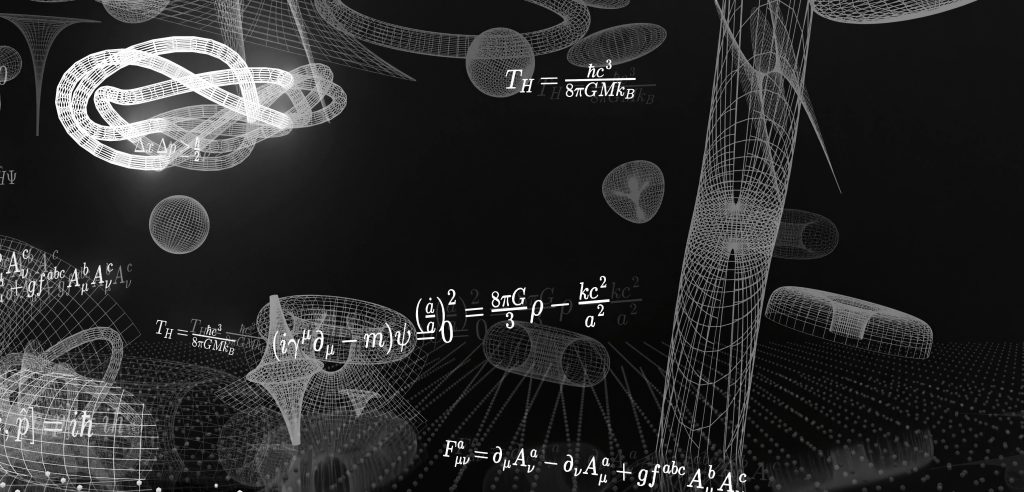
Quantum entanglement has been hijacked. Search for it and you’ll find a lot about manifestation, healing, and “the universe is connected, man.” Almost none of that has anything to do with the physics. So here’s quantum entanglement explained straight: it’s real, it’s strange, and it does not let you send a message, heal anything, or … Read more

Why Do We Have Seasons? (It’s Not How Close We Are to the Sun)

Snowy mountains under a globe of the Earth

Here’s a fact that breaks the most common explanation: Earth is closest to the Sun in early January. About 5 million kilometres closer than in July. So if distance drove the seasons, January would be the hottest month in North America and Europe. It isn’t. Which means the “we’re closer to the Sun in summer” … Read more

Is Homeschool Science Enough? Building a Real Curriculum

Parent and child learning together at home

The question every homeschool parent asks at some point, usually at 11pm: is what we’re doing actually enough? It’s a fair worry. A homeschool science curriculum has no inspector checking it, and the stakes feel high once high school credits enter the picture. Let’s make it concrete instead of anxious. What “Enough” Actually Means For … Read more