What Is mRNA Technology? The Delivery Problem Took 30 Years to Solve

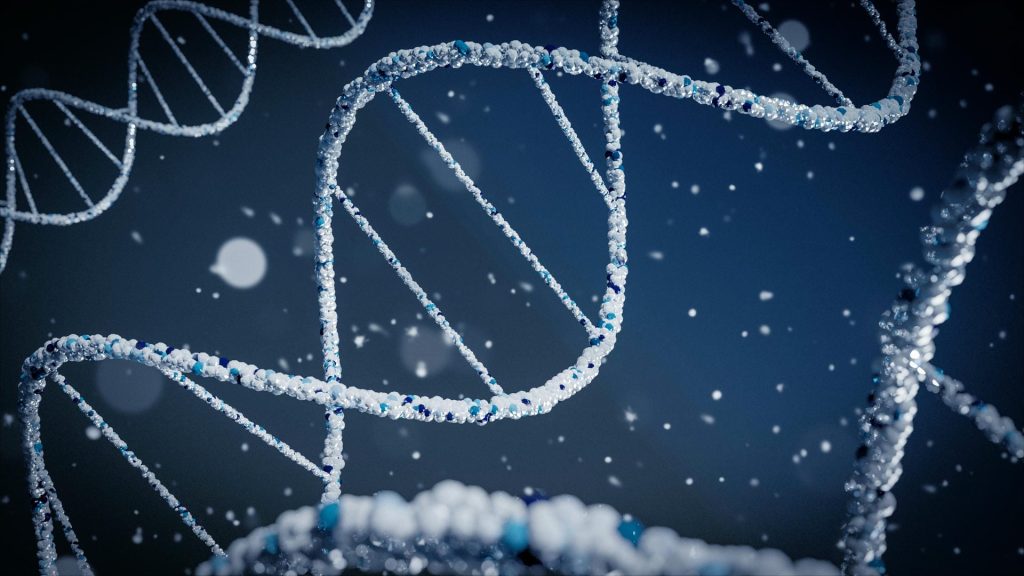
DNA strand in a molecular biology 3d render

The idea behind mRNA medicine is older than most of the people reading about it. Researchers first got mRNA into cells to make a protein in 1978; the first successful animal experiments came in 1990; the first approved drug arrived in 2020. So what is mrna technology, if the concept is more than forty years … Read more
James Webb Telescope Discoveries: What Is Confirmed and What Is Still Argued

Cartoon Copernicus with a telescope

Webb launched on 25 December 2021 and released its first full-colour science images on 12 July 2022. In the years since, it has produced a steady stream of results — some of which have been reported far more confidently than the evidence supports. This is a breakdown of james webb telescope discoveries sorted by how … Read more

Who Discovered Penicillin? Fleming Found It, Florey and Chain Made It a Drug

Laboratory centrifuge operated with gloved hands

Alexander Fleming discovered penicillin in September 1928 and was not able to turn it into a medicine. He lacked the chemistry, the funding, and probably the interest. Thirteen years later, a team at Oxford led by Howard Florey and Ernst Chain produced the first usable supplies, and the first patient treated in 1941 survived an … Read more

How Was Germ Theory Discovered? Handwashing, Fermentation, and a 40-Year Fight

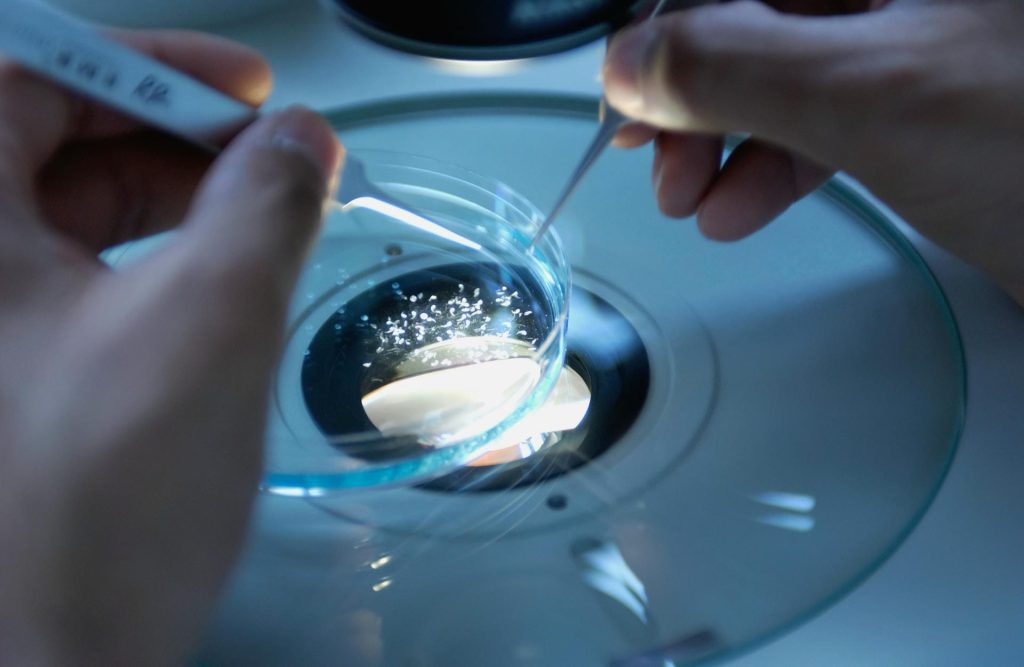
Hands using tweezers on a petri dish in a laboratory

In 1847 a Hungarian doctor named Ignaz Semmelweis noticed that women delivered by medical students died of childbed fever at several times the rate of women delivered by midwives. He worked out why, proved it by making students wash their hands, and cut the death rate from about 18% to roughly 1%. His colleagues rejected … Read more

History of the Periodic Table: Mendeleev Left Gaps and They Turned Out to Be Real

White molecular structure

In 1869 a Russian chemist named Dmitri Mendeleev left gaps in his table of elements and announced that undiscovered elements belonged in them. He predicted their atomic weights, densities, and melting points. When gallium was found in 1875 and germanium in 1886, both matched his numbers closely. That is the moment the periodic table stopped … Read more

Why Do Species Go Extinct? Causes, Numbers, and the Rate We Are Running Now

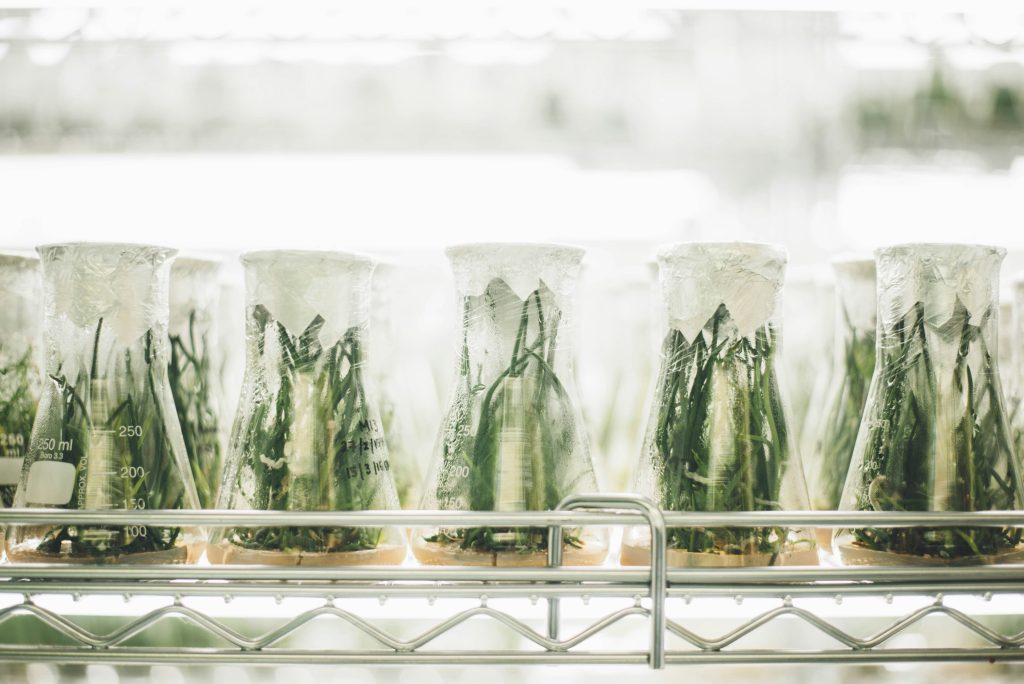
Plant tissue culture in test tubes

Something like 99.9% of every species that has ever lived is gone. Extinction is not the exception in the history of life — it is the norm, and the average species lasts somewhere between one and ten million years before it disappears. So the interesting question is not whether species die out, but why do … Read more

What Is Natural Selection? Four Conditions and a Lot of Misunderstandings

Green spiky virus particles

Antibiotic-resistant bacteria did not appear because bacteria needed to resist antibiotics. Resistant variants already existed by chance; the drug killed everything else and left them to multiply. That is the whole mechanism in one example. So what is natural selection, precisely? It is a filter, not a force — and once you see it that … Read more

How Do Enzymes Work? Lowering the Hill Instead of Climbing Faster

White molecular structure

Without enzymes, the reactions keeping you alive would be far too slow to matter. The breakdown of a single molecule of sucrose into simple sugars takes years in plain water; with the enzyme sucrase, it happens thousands of times per second. That speedup, a factor of about a trillion, is typical rather than exceptional. Here … Read more