What Is Renewable Energy Technology?
Renewable energy technology refers to equipment and systems that capture naturally replenishing energy sources on Earth. Unlike fossil fuels, these energy sources will not run out in the foreseeable future.
Main Types of Renewable Energy Technology
Solar Power Technology
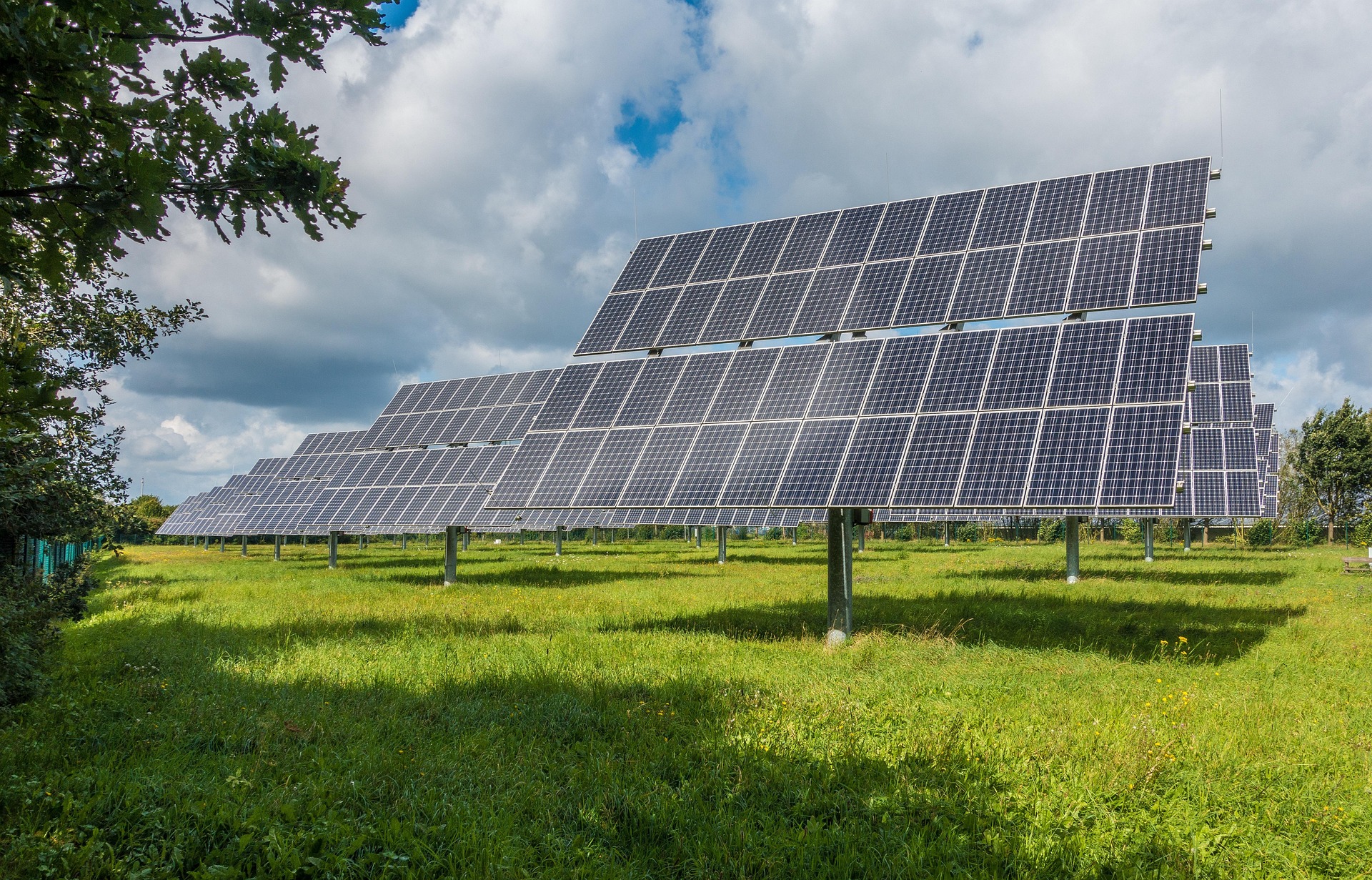
Solar panels convert sunlight directly into electricity. Photovoltaic cells inside panels absorb light and generate electric current. Solar systems can be installed on homes or built into large solar farms.
Wind Energy Technology
Wind turbines use moving air to spin large blades. The rotation drives a generator to produce electricity. Offshore wind farms often capture stronger and more stable winds.
Hydropower Technology
Hydropower plants use flowing water to turn turbines. Dams and river-based systems are common forms of hydropower technology.
Benefits of Renewable Energy Technology
- Produces little or no greenhouse gas emissions
- Reduces reliance on coal, oil and natural gas
- Lowers long-term energy operating costs
- Improves energy independence for countries
Challenges
High upfront construction cost is one major barrier. Power generation also depends on weather conditions, so energy storage systems are needed to stabilize supply.
Conclusion
Renewable energy technology is a key solution for the global shift toward cleaner power. Ongoing engineering advances keep improving efficiency and affordability.