What Is Matter? Atoms, States, and the Missing Mass
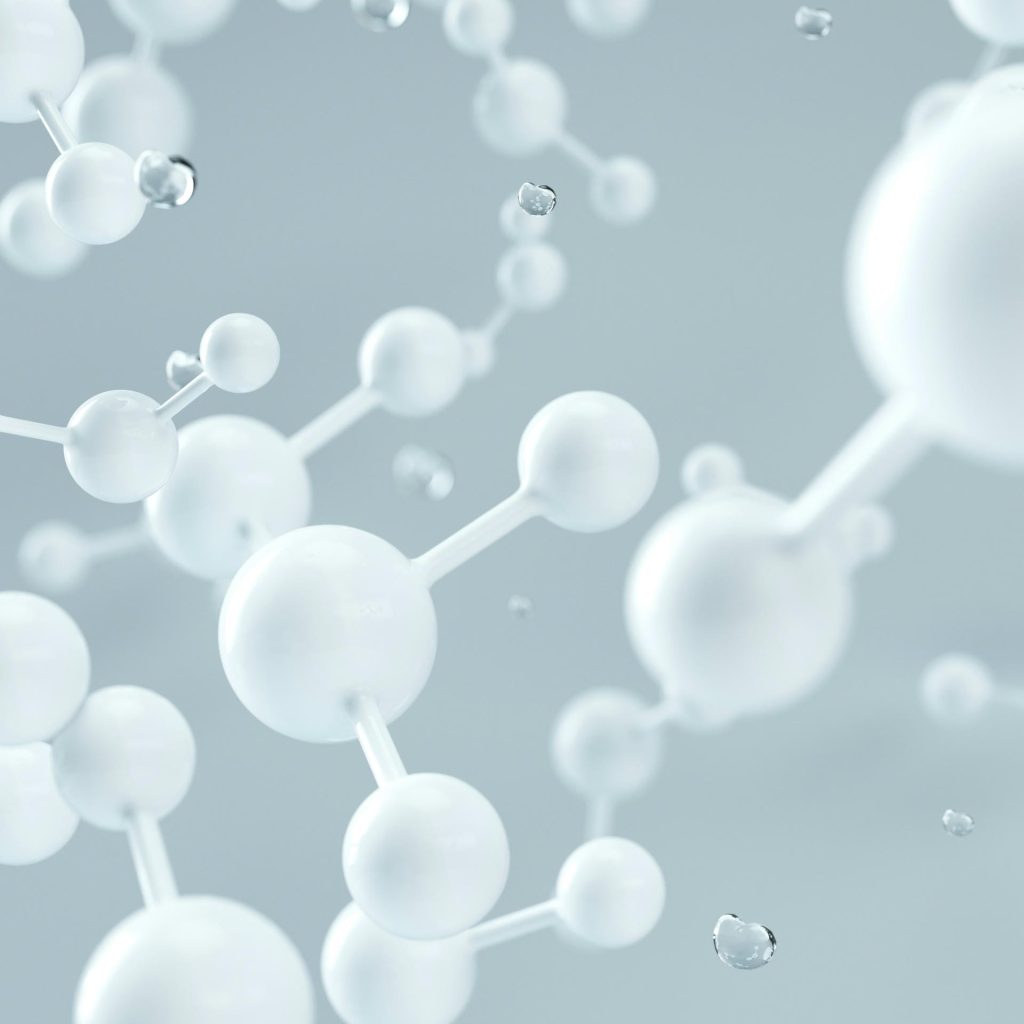
White molecular model with spheres and bonds

What is matter? Anything that has mass and occupies volume: protons, atoms, molecules, planets, and the coffee in your cup. That definition works until you push on the edges, where mass turns out to be mostly energy and volume turns out to be mostly nothing. Both surprises are worth understanding, because they change what the … Read more

What Is Energy? The Accounting Rule Behind Everything

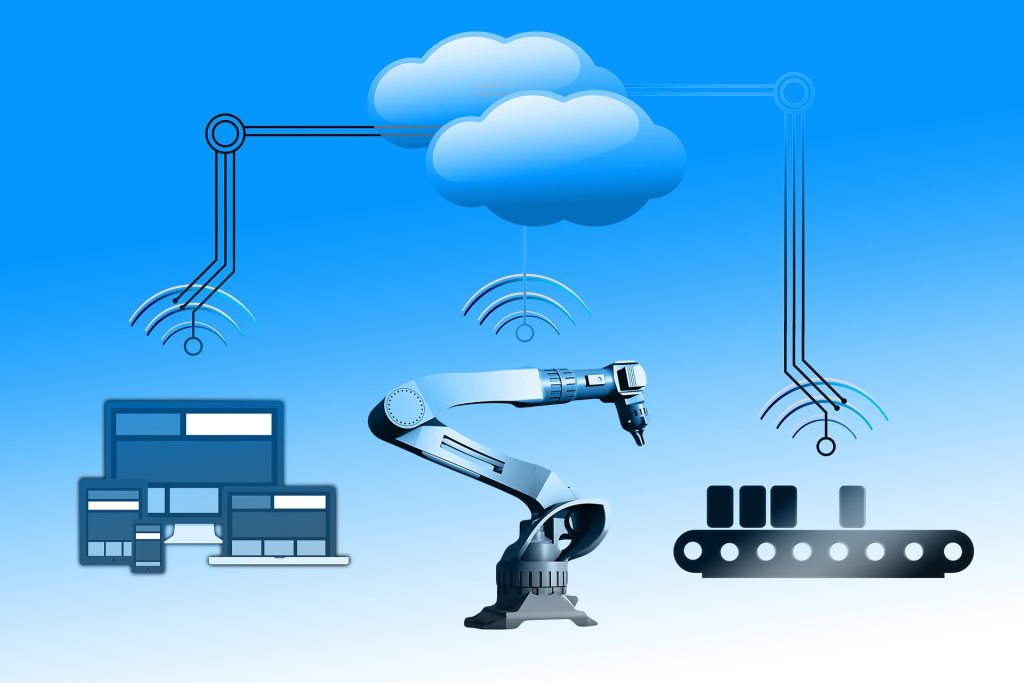
Industrial robots connected to cloud automation

What is energy? It is a number you can calculate for a system, which stays the same when nothing crosses the boundary, and which tells you what the system can do. That is a deliberately dry answer, because the honest definition is about bookkeeping rather than a glowing fluid. The word gets used as if … Read more

What Is the Speed of Light? The Number That Defines the Meter

Teal fibre-optic light streaks

What is the speed of light? In vacuum it is exactly 299,792,458 meters per second, or about 186,282 miles per second. Since 1983 that number has not been a measurement. It is a definition, and the meter is the thing being defined by it. That reversal is the strangest part of the story. For three … Read more

What Is Relativity? Time, Gravity, and Why GPS Needs It

Circuit board close-up

What is relativity? It is two theories by Albert Einstein describing how measurements of time, space, and gravity depend on the observer. Special relativity, published in 1905, handles motion at constant speed. General relativity, finished in 1915, handles acceleration and gravity by treating gravity as the shape of spacetime rather than a force. Both are … Read more

Does the Coriolis Effect Drain Your Toilet the Wrong Way?

Ocean waves crashing

The coriolis effect toilet myth is a staple of airport conversation: water supposedly drains counterclockwise north of the equator and clockwise south of it. It does not. In any normal bathroom, the direction is decided by the shape of the bowl, the angle of the jets, and whatever currents were left in the water when … Read more

How Do Computers Store Data? Bits, Disks, and Vanishing Gigabytes

Industrial robots connected to cloud automation

How do computers store data? By holding a physical state that can be read back later. A flash cell traps electrons. A hard disk magnetizes a patch of cobalt alloy. A stick of memory holds a charge in a capacitor that leaks within milliseconds and must be refreshed thousands of times per second. Every file … Read more